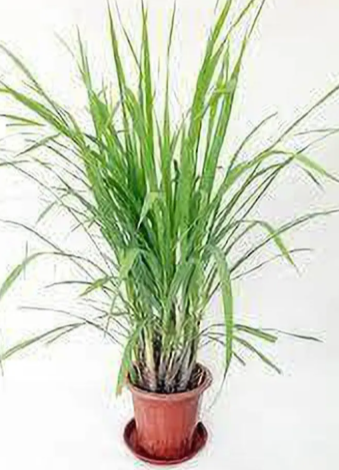
Lemon Grass
Lemon Grass Plant – The Aromatic Herb
Common Name: Lemon Grass
Scientific Name: Cymbopogon citratus
Plant Type: Perennial Grass, Aromatic Herb
Sunlight Requirements: Full sun (6+ hours daily)
Soil Requirements: Well-draining, slightly acidic to neutral (pH 6.0–7.0)
Watering: Keep soil moist but avoid waterlogging
Uses: Culinary, medicinal, aromatic, essential oil, insect repellent
Description
Lemon Grass is a tropical perennial grass prized for its fragrant, citrus-flavored leaves and culinary versatility. With tall, lush green stalks, this herb thrives in warm climates and adds a tropical flair to gardens and pots. Beyond its culinary uses, Lemon Grass has a long history of medicinal applications and is a popular ingredient in herbal teas, remedies, and aromatherapy.
Special Features
- Culinary Delight: Leaves impart a fresh, lemony flavor to soups, curries, teas, and marinades.
- Health Benefits: Rich in antioxidants and essential oils; supports digestion, reduces inflammation, and promotes relaxation.
- Aromatic : Used as essential oils for aromatherapy.
- Adaptable: to vast types of climate and soil and suitable for any gardener.
- Decorative Appeal: Adds lush greenery and texture to gardens, patios, or indoor containers.
Growing Instructions
- Soil: Use well-draining soil with moderate fertility and a slightly acidic to neutral pH.
- Sunlight: Provide at least 6 hours of direct sunlight daily.
- Spacing: Plant 24–36 inches apart to allow full growth.
- Watering: Keep soil consistently moist but avoid overwatering to prevent root rot.
Care Instructions
- Fertilization: Apply well balanced fertilizer at every 4–6 weeks interval during the growing season.
- Pruning: Trim old or dead leaves in early spring to encourage fresh growth.
- Pest Control: Monitor for pests like aphids or spider mites; treat with organic insecticides if necessary.
- Winter Care: In colder climates, bring potted plants indoors to protect from frost.
Uses and Applications
Culinary
- Fresh or dried leaves can flavor soups, curries, teas, stir-fries, and desserts.
- Adds a bright, citrusy note to marinades, herbal drinks, and sauces.
Medicinal & Wellness
- Lemon Grass tea supports digestion, aids relaxation, and promotes detoxification.
- Its essential oils have antibacterial and antifungal properties, offering natural remedies for minor ailments.
- Acts as a natural anti-inflammatory and antioxidant agent.
Aromatherapy & Skincare
- Essential oil can be used in diffusers for calming effects.
- Supports natural skincare routines due to antibacterial and soothing properties.
Gardening & Environmental
- Can act as a natural insect repellent when planted in gardens.
- Provides greenery and aesthetic appeal to landscapes and pots.
Fun Facts
- Lemon Grass has been used for centuries in Southeast Asian traditional medicine.
- Can grow 3–4 feet tall, giving gardens a tropical look.
- Its essential oil is prized for therapeutic and aromatic uses.
- A sustainable herb, requiring less water than many other garden plants.
Benefits
- Health: Antioxidant-rich, anti-inflammatory, digestive aid.
- Culinary: Enhances flavor and aroma in a wide range of dishes.
- Aromatic: Refreshing scent promotes relaxation and well-being.
- Gardening: Low-maintenance and resilient; adds tropical greenery to any space.
Propagation
- Division: Separate clumps of established plants and replant.
- Cuttings: Plant healthy stalks in moist soil to develop roots.
- Seeds: Less common; requires warm, well-drained soil and consistent moisture.
Varieties
- Cymbopogon citratus (Common Lemon Grass): Culinary and medicinal variety, most widely grown.
- Cymbopogon flexuosus (East Indian Lemon Grass): Taller with aromatic leaves, often used for essential oils.
Harvesting Tips
- Cut stalks at the base for use in cooking or teas.
- Leave some leaves behind to allow regrowth.
- Regular trimming encourages bushy growth and prolonged productivity.
Lemon Grass Tea & Recipes
- Brew fresh leaves in hot water for a fragrant, soothing tea.
- Use in soups, curries, and marinades for a citrusy punch.
- Incorporate into desserts or herbal drinks for added flavor and health benefits.
Environmental Impact
- Supports pollinators and beneficial insects.
- Acts as a natural air purifier and aromatic addition to indoor spaces.
Summary
Lemon Grass (Cymbopogon citratus) is a versatile herb that combines culinary, medicinal, and aromatic benefits with ease of growth and low maintenance. Its tropical foliage, refreshing aroma, and therapeutic properties make it a must-have for herb gardens, kitchens, and wellness enthusiasts alike.
Benifits of Rastashali Rice
Change Icons
Double click an icon to replace it with one of your choice.
Duplicate
Duplicate blocks and columns to add more features.
Delete Blocks
Select and delete blocks to remove features.
Great Value
Turn every feature into a benefit for your reader.
Edit Styles
You can edit colors and backgrounds to highlight features.
Sample Icons
All these icons are completely free for commercial use.